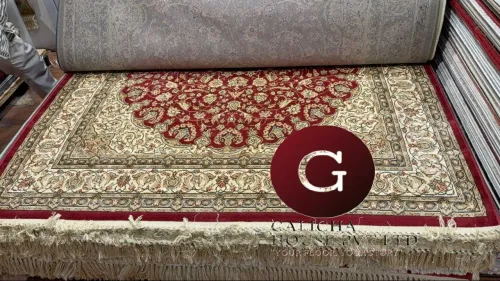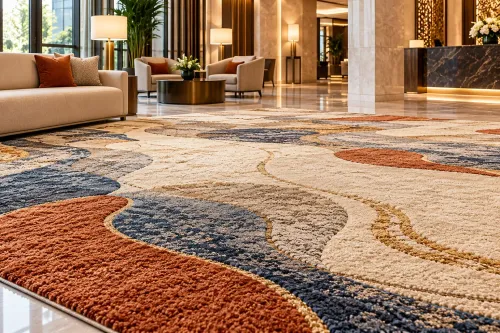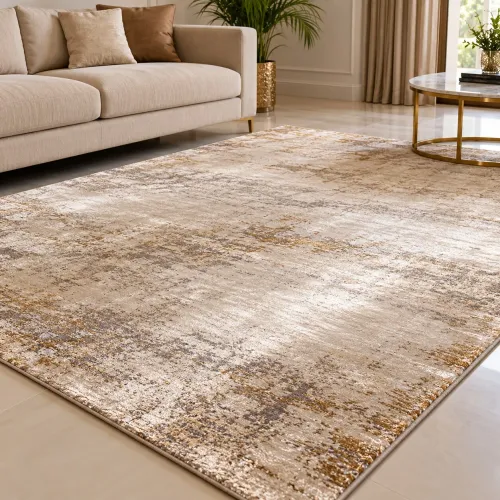
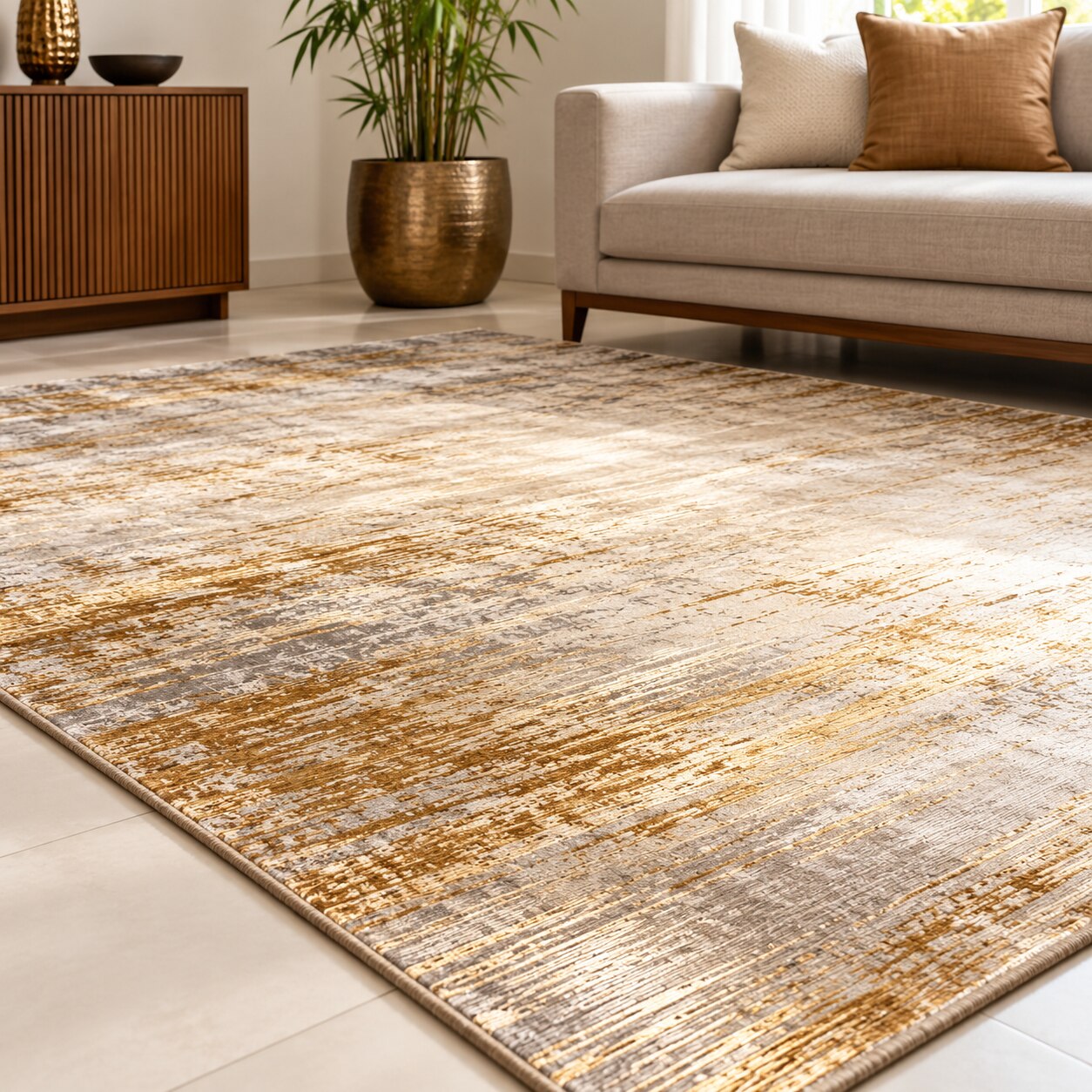
“Bamboo silk” can describe a glossy regenerated-cellulose pile rather than natural silk, so the showroom label alone does not tell you how the carpet will perform. By checking the fibre declaration, construction, lighting response, traffic suitability and care limits, you can decide whether a sample belongs in a bedroom, formal room or decorative commercial setting.
Key takeaways
- Request the fibre-content declaration before buying bamboo silk carpet.
- Rub and inspect the pile under showroom lighting before ordering.
- Avoid bamboo silk in damp, high-traffic or spill-prone areas.
- Record dimensions, backing, care instructions and delivery terms in writing.
What bamboo silk means—and how it compares with other fibres
“Bamboo silk” usually means regenerated cellulose made from bamboo pulp, not natural silk or a continuous bamboo fibre. It may also describe a bamboo-viscose blend, so ask for the fibre-content declaration.
A search for bamboo silk carpet south in delhi should distinguish stocked carpet, made-to-order production and catalogue sourcing; inspection, dye-lot replacement and return terms differ.
| Fibre | What you are buying | Main advantage | Main limitation |
|---|---|---|---|
| Bamboo silk | Bamboo-derived rayon or viscose pile | Lustrous, soft surface with strong colour depth | Poor wet strength; shows shading, footprints and pile reversal |
| Viscose | Regenerated cellulose from bamboo or another plant source | Silky appearance at a lower cost than natural silk | Water, dampness and abrasive traffic can distort the pile |
| Natural silk | Protein fibre produced by silkworms | Fine sheen, softness and high-quality hand | Expensive and vulnerable to wear, stains and moisture |
| Wool | Animal-hair fibre with resilient, springy pile | Handles traffic and disguises minor soil | Less glossy; can shed, felt or react to unsuitable cleaning |
| Polyester | Synthetic polymer fibre | Colourfast, stain-resistant and relatively easy to clean | Can develop crushing and static, with a less natural feel |
| Polypropylene | Synthetic olefin fibre | Moisture-resistant, practical and economical | Lower luxury appearance and weaker resistance to heat |
For a decorative bedroom or formal sitting room, bamboo silk offers visual richness; it is a poor default for damp areas, entrances or abrasive corridors. Under U.S. Federal Trade Commission guidance, bamboo-derived rayon should be identified as rayon or rayon made from bamboo, not simply bamboo.
How to test a bamboo silk carpet in the showroom
Do not approve a sample from one angle. At a bamboo silk carpet shop, view the piece under daylight, warm artificial light and raking light from the side; sheen changes can expose uneven pile direction, patchy dyeing and visible shading that a front-facing photograph hides.
Check these showroom details:
- Part the pile and inspect the backing. Look for consistent tufting or knotting, secure edges and no bald patches, loose yarns or adhesive showing through.
- Turn the sample through several directions. If colour shifts sharply or broad light-and-dark bands appear, pile reversal may remain visible after installation.
- Walk across it, then rub and brush a small area. Excessive fibre release, crushed marks or persistent handprints are warning signs.
- Request the fibre-content declaration. “Bamboo silk” can describe bamboo-derived rayon, a blend or another regenerated cellulose fibre.
Compare the same sample under each condition:
| Condition | Check | Warning sign |
|---|---|---|
| Daylight | Overall colour and dye consistency | Mismatched zones or harsh banding |
| Warm light | Sheen and colour cast | Yellowing, dull patches or false colour match |
| Raking light | Pile direction and surface level | Footprint-like shadows or ridges |
| After walking | Recovery and appearance | Flattened tracks that remain |
Ask how the sample was made: stock, made-to-order or catalogue-sourced. Confirm that the supplied roll or rug will match the approved dye lot, construction and finish before paying a carpet shop in south Delhi. A compatible underlay also limits sliding and abrasion.
Where bamboo silk works—and where it fails
Use bamboo silk in low-to-moderate traffic rooms where appearance matters more than ruggedness: bedrooms, formal sitting rooms, private lounges and carefully managed hotel suites. Its lustrous pile can show footprints, vacuum tracks and pile reversal, so frequent rearranging or heavy daily use quickly makes the surface look uneven.
| Setting | Suitability | Choose another fibre when |
|---|---|---|
| Bedrooms and guest rooms | Good for decorative use | You expect frequent spills, pets or rough use |
| Formal living rooms | Good with controlled foot traffic | Furniture moves often or children play on the carpet |
| Hotel suites and reception lounges | Suitable after a walk-test and wear review | Housekeeping needs repeated wet extraction |
| Corridors, entrances and dining areas | Poor choice | Dust, grit, chairs and constant foot traffic will abrade or flatten the pile |
Avoid it beside balconies, bathrooms, kitchens, dining tables and doors exposed to monsoon moisture. Bamboo-derived rayon generally loses wet strength faster than wool, polyester or polypropylene; leaks and wet cleaning can cause distortion, browning or watermarking.
Choose wool for resilience and repairable texture, polypropylene for moisture and entrance-zone abuse, or polyester when stain resistance matters more than pile recovery. For a commercial scheme, require construction-specific wear evidence rather than accepting “bamboo silk” as proof of durability.
How to choose size, pattern and colour under Delhi lighting
Measure the room and furniture, then choose a size that leaves a deliberate border rather than an accidental strip. In a seating area, place at least the front legs of every sofa and chair on the rug; for a dining table, extend the carpet 60–75 cm beyond each chair.
Use a rectangle for standard rooms, a round shape to define a compact seating group, and a runner only where its edges stay clear of door swings.
| Choice | Best decision | Lighting risk |
|---|---|---|
| Pile height | Choose a low, even 6–10 mm pile for dining or moderate use | Taller pile shows footprints and directional sheen |
| Pattern | Select small-scale or broken motifs for broad areas | Large plain fields reveal pile reversal |
| Colour | Compare warm and cool neutrals beside the actual furniture | Daylight and warm bulbs can shift the apparent shade |
| Shape | Match the rug to the furniture grouping, not only the room | An undersized shape looks harsher under raking light |
View the production sample at the final size under South Delhi daylight, warm artificial light and side-on light. Brush it in opposite directions; if one area changes dramatically, approve the top side and pile direction before ordering. A search for decorative carpets south in delhi does not replace checking these specifications in writing.
How to protect the pile from marks, moisture and cleaning damage
Keep moisture out and reduce movement across the pile. Use a compatible, non-staining rug pad under a loose carpet; it limits sliding, floor abrasion and edge damage. Fit felt pads to furniture legs, lift furniture instead of dragging it, and rotate the rug to spread crushing and traffic marks.
- Blot a spill immediately with white, absorbent towels. Work from the outside towards the centre, never scrub, soak or apply household detergent.
- Vacuum with suction only and no rotating beater bar. Use a low setting and follow the pile direction; aggressive brushing can create tracks and pull fibres.
- Remove shoes and reposition furniture periodically. Treat footprints and shading as pile-direction changes, not stains, and restore the surface with gentle hand grooming.
- Keep the carpet away from balconies, bathrooms, plant pots and leaking air-conditioner lines. Water exposure can cause distortion, browning, texture change or watermarks.
- Schedule professional cleaning only under the manufacturer’s written protocol. Confirm the approved spot chemicals, maximum moisture, extraction method and drying time; require an inconspicuous-area test before work begins.
- Reject routine steam cleaning or water extraction unless that protocol expressly permits it. Dry the carpet fully before use, and investigate any persistent damp smell or curled edge immediately.
What to record before ordering from a South Delhi supplier
Record the route, specification, inspection standard and remedy in writing before approving any “bamboo silk carpet south in delhi” purchase. A bamboo silk carpet shop should identify whether the offer is stocked, made to order or catalogue-sourced; those routes change delivery, inspection, replacement and return rights.
1. Name the fibre construction: bamboo-derived rayon, bamboo-viscose blend or another fibre. Record pile height, density, backing, edge finish, dimensions and acceptable size tolerance.
2. Attach the approved sample or catalogue code. Require colour approval under daylight, warm artificial light and raking light, with the dye-lot number recorded.
3. State the use: bedroom, formal sitting room, reception, suite, corridor or entrance. For silk carpet for decor businesses, separately record traffic class, furniture loading, rolling castors, cleaning frequency and whether it is loose-laid artwork or fixed flooring.
4. Require a walk-on sample test. Record visible footprints, vacuum tracks, pile reversal, shading and loose-fibre release after brushing.
5. Specify delivery date, installation method, moisture protection, inspection period and the remedy for dye-lot variation, damage or construction defects.
6. Ask how “eco-friendly” is evidenced: cellulose source, regeneration chemicals and recycled or certified content. GALICHA HOUSE PVT LTD 8384046294 should provide those details rather than relying on bamboo as proof.
7. Record exclusions: monsoon moisture, abrasive entrances and unapproved cleaning. A carpet shop in south Delhi should put each limitation beside the warranty.
Related product
 | Bamboo Silk Carpet Bamboo Silk Carpet Bamboo Silk Carpets by Galicha House Pvt. Ltd. Experience the ultimate in luxury, elegance, and sustainability with Bamboo Silk Carpets from Galicha... |
Frequently asked questions
What does bamboo silk mean in a carpet?
Bamboo silk usually means regenerated cellulose made from bamboo pulp. It can also describe a bamboo-viscose blend, so check the fibre-content declaration.
How can you test a bamboo silk carpet in a showroom?
View the sample from several angles, rub the pile gently, inspect for shading and ask how the carpet responds to moisture and cleaning.
Where should you avoid using bamboo silk carpet?
Avoid it in damp rooms, entrances, dining areas and other places exposed to frequent spills, heavy traffic or abrasive wear.
What should you record before ordering from a South Delhi carpet shop?
Record the finished size, fibre content, backing, pile construction, pattern orientation, colour sample, care instructions, delivery terms and quoted price.
Keywords